Blog | Landscaping
Cold weather doesn’t mean outdoor spaces have to lose all charm. With thoughtful planning and a few smart updates, any yard can stay lively even in the frostiest months. Winter landscaping keeps a home’s exterior healthy, functional, and visually appealing long after summer blooms fade.
Simple changes—like choosing plants that thrive in low temperatures, protecting shrubs from frost, and using lighting to highlight texture—bring life back when most greenery rests. Clean paths, trimmed trees, and sturdy garden structures make a big difference in both safety and appearance. The right design choices can turn a dull landscape into one that feels inviting year-round.
A well-maintained winter yard sets the stage for a strong growing season ahead. By understanding what thrives in cold conditions and how to protect existing plants, anyone can enjoy beauty and structure outdoors all winter long.
Cold weather affects soil, plant roots, and lawn health. Proper preparation maintains soil structure, reduces frost damage, and keeps plants strong enough to regrow in spring.
Healthy soil helps plants survive cold months. Gardeners should test soil pH and nutrient levels before winter to decide if they need to add compost, lime, or fertilizer. Removing weeds prevents them from stealing moisture and nutrients from other plants.
A layer of organic mulch—such as shredded leaves, straw, or bark chips—protects the soil from erosion and temperature swings. Apply 2–4 inches of mulch around perennials and over bare soil, leaving some space around stems to prevent rot.
Mulching also keeps soil microbes active through winter, supporting future plant growth.
In beds near trees and shrubs, mulching limits moisture loss and reduces compaction caused by snow. For new plantings, thicker mulch acts as insulation against deep freezes. If heavy winds or runoff are common, gardeners can secure mulch with burlap netting or light fencing.
When soil repeatedly freezes and thaws, plant roots can lift from the ground, a process called frost heaving. To prevent this, gardeners can water thoroughly before the first hard frost, which stabilizes soil temperature and reduces air pockets.
Covering plants with breathable materials like burlap, frost cloth, or woven fabric allows air and moisture through while protecting roots from temperature extremes. Avoid plastic covers, which trap condensation and can cause damage in sunlight.
Containers and raised beds need special care because they lose heat faster than in-ground soil. Moving potted plants closer to buildings or grouping them together adds warmth. Adding mulch or wrapping pots with insulating materials further shields root systems from deep frost.
Lawns benefit from a final mowing at about 2–3 inches tall. Leaving grass longer can trap moisture and create mold, while cutting too short weakens roots. Applying a slow-release winter fertilizer supports root energy through dormancy.
Garden beds require cleanup to reduce overwintering pests. Remove dead annuals and diseased stems but leave healthy perennials uncut until spring to shelter beneficial insects.
Composting fallen leaves or using them as mulch helps enrich soil naturally. In areas prone to heavy snow, trimming tall or weak branches protects shrubs from breaking under ice. A balanced winterizing routine helps the landscape emerge healthier and more stable when temperatures rise again.
Selecting plants that can handle freezing temperatures keeps outdoor spaces attractive all winter. By using varieties with strong root systems, sturdy stems, and lasting color, gardeners can maintain texture and life when most growth has slowed. Season-long structure comes from a mix of shrubs, evergreens, and grasses that withstand frost and snow.
Cold-hardy shrubs and perennials form the foundation of a durable winter garden. Boxwood, winterberry holly, dogwood, and witch hazel add color, berries, and contrast once frost sets in. Many of these plants tolerate USDA Hardiness Zones 3–7, depending on the variety.
Choose shrubs with woody stems or semi-evergreen foliage that hold up under snow. Dogwoods show red or yellow bark that stands out against snow, while winterberry provides bright berries for seasonal color and bird habitat.
Perennials such as hellebores and sedum hold structure even as growth slows. Grouping plants with different bloom and bark textures prevents a flat winter landscape. Keeping the soil mulched and slightly moist during temperature changes helps protect roots from freeze-thaw cycles.
Evergreens keep visual interest when deciduous plants drop their leaves. Use both needle-leaf and broadleaf types to balance color and form. Examples include juniper, spruce, boxwood, and rhododendron.
Layering by height improves depth. Taller evergreens form windbreaks, medium plants fill borders, and low varieties cover ground and protect exposed soil. A layout combining vertical and rounded shapes gives variety without crowding.
Evergreens also regulate moisture levels in the landscape. Their dense canopies reduce evaporation and shield smaller plants from windburn. When planting, provide enough space for airflow to reduce snow buildup and fungal problems. Applying mulch around the base insulates root systems during deep freezes.
Ornamental grasses give movement, sound, and texture to a winter landscape. Many cold-tolerant types, such as switchgrass (Panicum virgatum), feather reed grass (Calamagrostis acutiflora), and blue fescue (Festuca glauca), remain upright after frost.
These grasses add vertical lines that catch light and snow. Leaving them uncut through winter provides structure and bird habitat. They require minimal care—just trimming back in early spring before new growth appears.
A mix of tall and low grasses creates contrast. Tall switchgrass pairs well with compact fescue for a layered effect. Plant in groups of three or more for visual impact and to reduce soil erosion during freeze-thaw cycles.
Cold temperatures, dry winds, and heavy snow can stress or damage woody plants. Proper insulation, pruning, and moisture care help maintain plant health and prevent cold-related injuries.
Wrapping protects young or thin-barked trees from temperature swings and sunscald. Burlap, tree wrap, or breathable fabric acts as insulation against cold air and strong winds. Plastic should be avoided because it traps moisture and can cause rot.
Trunks of young maples, fruit trees, and birches benefit most. Wrap the lower trunk from the base up to the first branches. Secure it loosely with twine, removing it in early spring to allow growth.
Mulch also provides a layer of insulation. Spread 2–4 inches of wood chips or straw around the base, keeping it a few inches from the trunk to prevent rot. In areas with strong sun reflection from snow, shade cloth can minimize bark cracking caused by rapid temperature changes.
Winter pruning protects branches from snow weight and improves spring growth. Pruning during dormancy limits stress and helps shape trees before new buds form. Avoid heavy pruning late in fall when plants may still be active.
Remove dead, broken, or diseased branches first. This opens the canopy, allowing air flow and reducing pest issues. The cuts should be clean and just outside the branch collar to allow proper healing.
For shrubs, reduce crossing or rubbing branches that might break under snow load. Overgrown evergreens can be lightly trimmed to maintain a compact form that resists snow damage. Tools should be sharp and disinfected between cuts to prevent disease spread.
Winter burn happens when foliage, especially on evergreens, loses moisture faster than roots can replace it. Dry winds and frozen soil make this common. To reduce it, water trees and shrubs deeply before the ground freezes so roots hold enough moisture through winter.
Apply a thick mulch layer to maintain consistent soil temperature. On sunny, windy sites, windbreaks made of burlap or snow fencing reduce moisture loss.
Anti-desiccant sprays can add protection to broadleaf evergreens like boxwood or holly. Sprays create a thin coating that helps leaves retain moisture. These should be applied in late fall on a mild, dry day for best results.

Managing snow and ice involves keeping surfaces safe, minimizing plant and structure damage, and using tools and materials correctly. It requires attention to timing, technique, and product choice to protect both people and property.
Snow removal should start early to prevent buildup and reduce ice formation. Using plastic or rubber-edged shovels helps avoid scratching decks, patios, and walkways. When using a snow blower, operators should clear paths in layers rather than forcing deep snow all at once.
For driveways and walkways, removing snow before it compacts lowers the risk of slipping and eases later clean-up. In high-traffic areas, using push brooms for light snow can reduce wear on pavement. Piling snow away from foundation walls and plants prevents flooding during thawing periods.
Safety also depends on proper body mechanics. Lifting with the legs, not the back, and taking breaks during extended clearing sessions help reduce strain. People should wear insulated gloves and non-slip boots to maintain grip and stability in cold conditions.
Choosing the right deicer protects pavement and nearby vegetation. Calcium magnesium acetate (CMA) is less corrosive than traditional rock salt and works in temperatures down to about 20°F (-6°C). Although more costly, it causes less harm to concrete, steel, and plants.
Sodium chloride (salt) remains the most common deicer, but it can damage surfaces and soils with frequent use. Applying it sparingly and sweeping up excess granules after melting reduces these effects. Sand or fine gravel adds traction without chemical runoff, making it useful in environmentally sensitive areas.
A comparison table helps show the differences:
| Deicer Type | Effective Temperature | Surface Impact | Environmental Effects |
|---|---|---|---|
| Sodium Chloride | to 15°F (-9°C) | May corrode | Can harm plants and soil |
| Calcium Magnesium Acetate | to 20°F (-6°C) | Mild | Low impact |
| Sand/Gravel | Any | None | Safe |
Regular monitoring ensures that deicers are applied only when needed and prevents unnecessary accumulation on hardscapes.
Snow and ice can stress plants, trees, and structures if left unmanaged. Pruning weak or overextended branches before winter reduces the risk of breakage under heavy snow. Wrapping young trees with burlap or tree guards protects bark from cracking and rodent damage.
Avoid stacking snow on shrubs or garden beds, as melting piles can suffocate roots and delay spring growth. If snow covers sensitive plantings, gently brush off layers with a broom rather than shaking branches, which can cause them to snap.
Stone walls, pavers, and fences also need protection. Checking for cracks or unstable sections before freezing weather allows timely repairs. Maintaining good drainage prevents trapped moisture from expanding and damaging masonry or edging as it freezes.

Attractive winter landscapes rely on small details that make a home look inviting even in cold weather. Clean lines, bright accents, and proper lighting help highlight structure and texture when plants lose their leaves.
Well-designed winter containers bring color and form to entryways and patios. They work best when combining evergreens, woody stems, and cold-hardy ornamentals. For example, a mix of dwarf spruce, red-twig dogwood, and trailing ivy can add both height and movement.
Adding berries or seed heads from plants like winterberry or ornamental grasses provides natural decoration and food for birds. Homeowners should select frost-resistant pots with good drainage to prevent cracking and waterlogging.
Placement matters. Containers near doors or pathways enhance focal points, while grouped arrangements create balance and visual warmth. A quick tip table helps guide design choices:
| Goal | Suggested Plants | Accent Ideas |
|---|---|---|
| Add color | Winterberry, cabbage, heather | Painted branches |
| Add height | Dwarf spruce, holly, juniper | Birch poles |
| Add texture | Grasses, ivy, sedge | Pinecones |
Refreshing soil periodically and trimming any wilted stems keeps the arrangement neat through the season.
Lighting increases safety and draws attention to attractive features. Short days make outdoor illumination more important in winter, especially along driveways and pathways. Warm white LED lights create a soft, natural glow without harsh glare.
Installing path lights, uplighting for trees, and accent beams on walls or structures gives depth and contrast. Timers or motion sensors help manage energy use and ensure lights turn on at dusk.
Decorative lanterns and string lights can add charm when used sparingly around porches or trees. Avoid cluttered displays; consistent spacing and color temperature keep the design cohesive. Clean fixtures regularly to remove snow buildup and maintain brightness throughout the season.
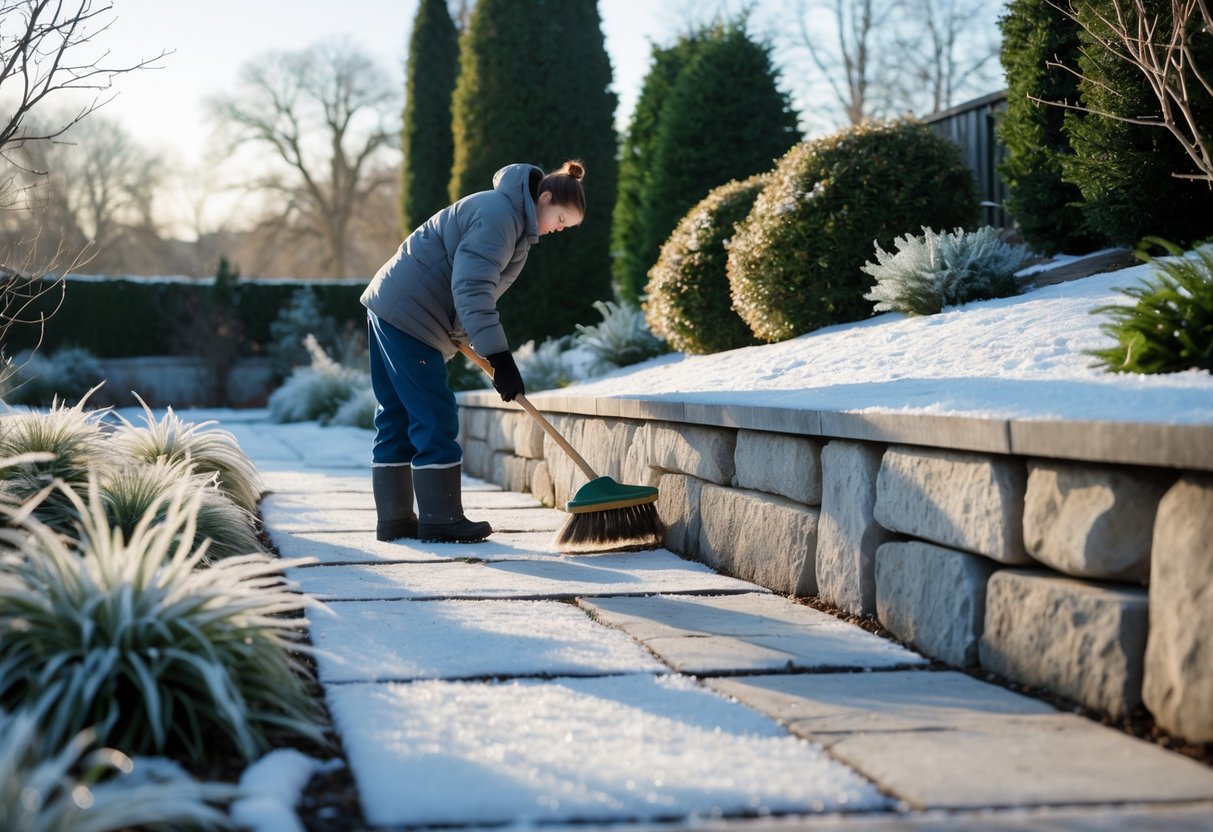
Cold weather, ice, and snow can weaken hard surfaces and outdoor materials. Regular cleaning, sealing, and covering reduce wear and protect against cracking, fading, or corrosion.
Patios and walkways face constant stress during winter. Freeze and thaw cycles cause small cracks to expand, leading to surface damage. They should remove debris and fallen leaves before freezing temperatures hit, as trapped moisture can stain or erode surfaces.
Applying a sealant before winter helps keep water out of concrete, stone, and paver joints. For ice control, use calcium magnesium acetate or sand instead of rock salt, which can cause pitting and corrosion. Shoveling with a plastic or rubber-edged shovel prevents scratches, especially on pavers and decorative concrete.
Homeowners should also check for uneven stones or loose joints. Filling gaps with polymeric sand or concrete filler prevents shifting and water infiltration. These small actions maintain both safety and appearance throughout the season.
Winter moisture and cold temperatures can quickly damage outdoor furniture made from wood, metal, or fabric. Cleaning each piece before storage removes dirt and prevents mildew. It’s best to store furniture in a shed, garage, or covered area, but if space is limited, heavy-duty waterproof covers protect items outdoors.
Different materials require specific care:
| Material | Winter Protection Tip |
|---|---|
| Wood | Apply a weatherproof sealant to reduce moisture absorption. |
| Metal | Check for rust and coat with protective paint or wax. |
| Fabric | Remove cushions and store them indoors in dry conditions. |
Raising furniture slightly off the ground improves air circulation and keeps it clear of snow and pooling water, extending its lifespan through harsh winter months.
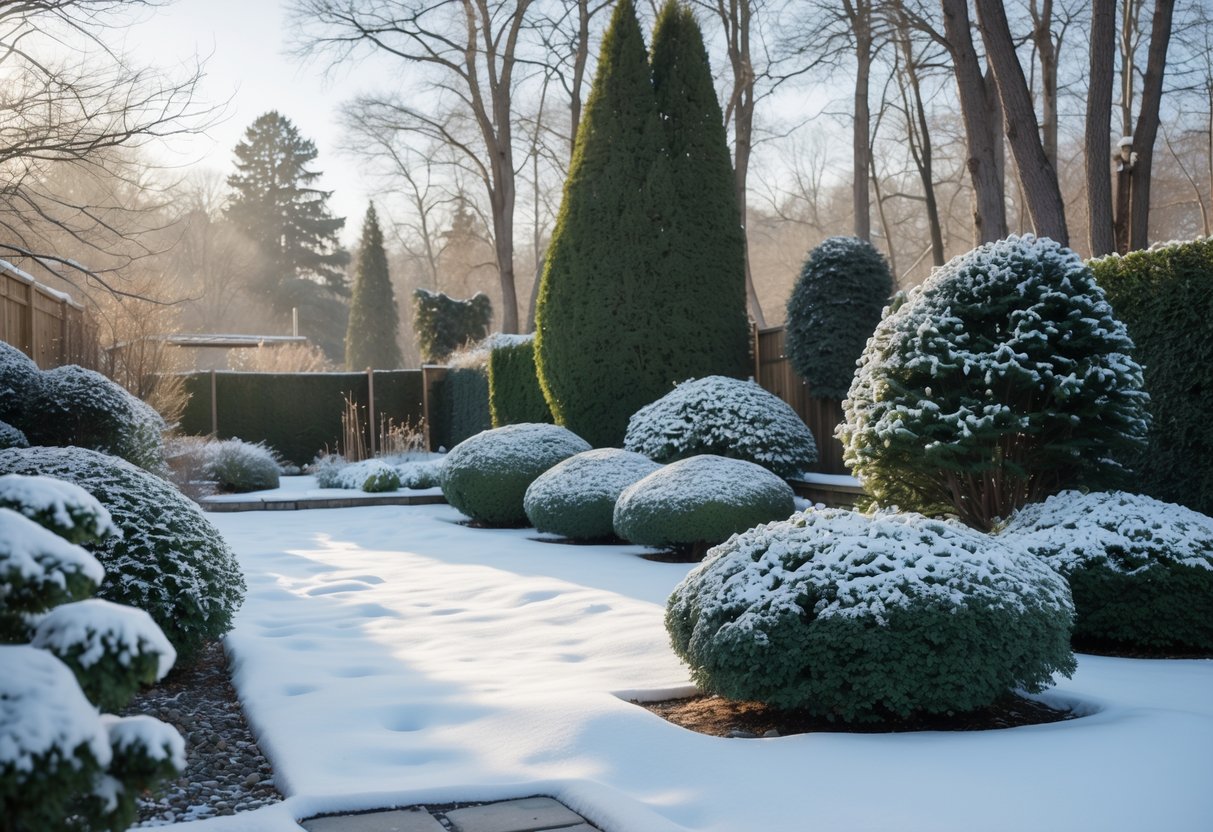
Winter yards can still support life when thoughtfully designed. Plants, shelter, and water sources attract birds and other small animals seeking resources in the cold months. Simple steps like leaving seed heads and providing evergreens can help maintain balance in the local ecosystem.
Birds rely on reliable food and shelter when temperatures drop. They often visit gardens that provide both. Evergreen trees such as spruce or holly offer cover from wind and predators, while seed-bearing plants like coneflower or black-eyed Susan supply natural food sources.
Adding bird feeders with black oil sunflower seeds, suet, or nyjer seed also draws a variety of species. Position feeders near shrubs or trees for safety but away from dense cover where predators might hide. Keep feeders clean and restocked to maintain healthy wildlife habits through the season.
Beneficial wildlife, such as pollinators and small mammals, also benefit from native plants. Winter jasmine or witch hazel, which bloom in cold weather, provide nectar to overwintering insects. A mix of food sources ensures that the habitat remains vibrant while supporting ecological balance.
Wildlife needs shelter to stay safe and warm. Gardeners can create it naturally by leaving fallen leaves, brush piles, or ornamental grasses in place. These features protect insects, small mammals, and ground-nesting birds without requiring extra materials or energy.
Berries from holly, viburnum, and sumac offer both color and food. These shrubs sustain birds after seed sources diminish. For water, a heated birdbath prevents freezing and gives animals a place to drink, which is often scarce in icy conditions.
A simple table helps plan food options:
| Food Source | Wildlife Benefited |
|---|---|
| Sunflower seeds | Songbirds |
| Berries (holly, sumac) | Thrushes, cardinals |
| Suet | Woodpeckers, nuthatches |
| Ornamental grasses | Finches, small mammals |
Small adjustments like these keep the landscape active and supportive through winter’s quiet months.
Winter gives gardeners time to think ahead. While outdoor growth slows, planning ensures a smoother start when temperatures rise. Taking notes on plant performance, soil quality, and light patterns helps identify what to change before spring planting begins.
A good plan starts with layout and design. They can sketch their garden beds, note areas that need more sun, and decide where to add or move plants. Creating a simple chart helps track what to grow and when to plant.
| Task | Timing | Benefit |
|---|---|---|
| Review garden layout | Mid-winter | Identify sunlight and spacing needs |
| Select seeds or bulbs | Late winter | Ensure variety and availability |
| Prepare soil plans | Late winter | Improve soil health and drainage |
They should also plan for maintenance. Listing tools that need repairs, checking irrigation systems, and gathering mulch or compost in advance saves time later. Winter is a good opportunity to clean, sharpen, and organize equipment.
When choosing seeds or plants, they can look for hardy varieties suited to local conditions. Cold stratification for certain seeds, such as perennials, can begin indoors during the colder months. This preparation improves spring germination rates.
A simple approach—observe, list, and plan—makes spring work more efficient. With careful preparation, they enter the growing season organized and ready to plant confidently.
Winter landscaping depends on choosing hardy plants, managing moisture, and protecting soil from extreme cold. Careful watering, insulation, and soil enrichment help maintain a healthy yard through dormancy and into early spring growth.
Cold-tolerant plants like pansies, hellebores, camellias, and ornamental kale add color when most vegetation is dormant. Evergreen shrubs such as holly and boxwood maintain greenery even in freezing weather. Red-twig dogwood provides striking color contrast against snow or frost.
A 2–3 inch layer of mulch helps insulate roots and maintain soil temperature. Gardeners can cover sensitive plants with burlap, frost cloth, or old sheets during freezing nights. Moving potted plants to sheltered areas, such as an unheated garage or shed, reduces cold exposure.
Winter is a good time to prune dormant trees and shrubs, remove debris, and repair raised beds or garden structures. It’s also an ideal season for planning spring plantings and testing soil quality. Checking irrigation systems for leaks ensures efficiency before warmer months return.
Most plants need less water in cold weather, but roots still require moisture to stay healthy. Water on warmer days when the ground isn’t frozen, allowing the soil to absorb water before temperatures drop again. Overwatering can lead to root rot in slow-draining soil, so moderation is key.
Use a slow-release or organic fertilizer to replenish nutrients without stressing dormant plants. Compost and leaf mulch add gentle nourishment while improving soil texture. Avoid high-nitrogen fertilizers, which encourage new growth that may be damaged by frost.
Remove dead plants and trim perennials to promote clean growth in spring. Inspect garden tools and replace dull or damaged equipment. Performing light soil aeration and adding compost in late winter helps improve structure and supports healthy root development once temperatures warm.

Somewhere in a Kingstowne back yard there is an oak that forks...

The trees that come down in a Burke storm are rarely chosen...
We strive to keep up with and use modern tree care techniques. Our work is also conducted by tree specialists with decades of experience.
Contact Us