Blog | Professional Tree Services
It’s a sound you don’t forget. That deep, groaning crack followed by a thud that feels like it shakes the whole neighborhood. You look outside, and there it is. The tree that’s been there forever is suddenly sideways, lying across your lawn, or worse. The first thought is just… what now? It’s a mess, and honestly, it can feel like a punch to the gut.
Dealing with a fallen tree is one of those homeowner things nobody prepares you for. We’ve been doing this a long time, and I can tell you straight up, most folks in Virginia are looking at a bill somewhere between $350 and $1,200 to get it sorted. For an average job, think around $750. The exact cost depends on tree size and accessibility. A professional tree service in Alexandria can provide an on-site estimate.
But here’s the thing, and it’s a big one: that price is just a starting point. It can go all over the place. It really depends on where that tree decided to land and how fast you need it gone.
Call Us 703-569-2570

Trees fall on their own schedule, not ours. Sometimes it’s a big storm that does it, other times it’s just old age or some disease you never even saw coming. When it happens, you’re suddenly on the clock. A fallen tree isn’t just an eyesore; it’s a genuine hazard, and the longer it sits, the more problems it can cause.
I remember when I first started in this business, it hit me that we’re not just dealing with wood. We’re dealing with people’s homes, their safety. The size of the trunk is a big factor, for sure—anything over two feet thick is a different ballgame. But it’s not just about size. A smaller tree that comes down on your car? That’s a delicate, complicated job that’s going to cost more than a huge pine that had the decency to fall in an empty field. G&V Tree Services deal with tree removal almost as much as pruning services!
Here’s my honest advice: you need licensed, insured pros for this. I can’t tell you how many horror stories we’ve heard from people who tried to save a few hundred bucks with some crew they found online. It’s just not worth the risk.
Yeah, a fallen tree removal can run from $150 all the way up to $2,000. But if it’s an emergency? If you have to call someone in the middle of the night? The price goes up because a crew has to drop everything and get to you, right now.
When a tree lands on your house, your car, or—and this is the scary one—the power lines, every single minute counts. You’re past removal at that point. You’re in damage control.
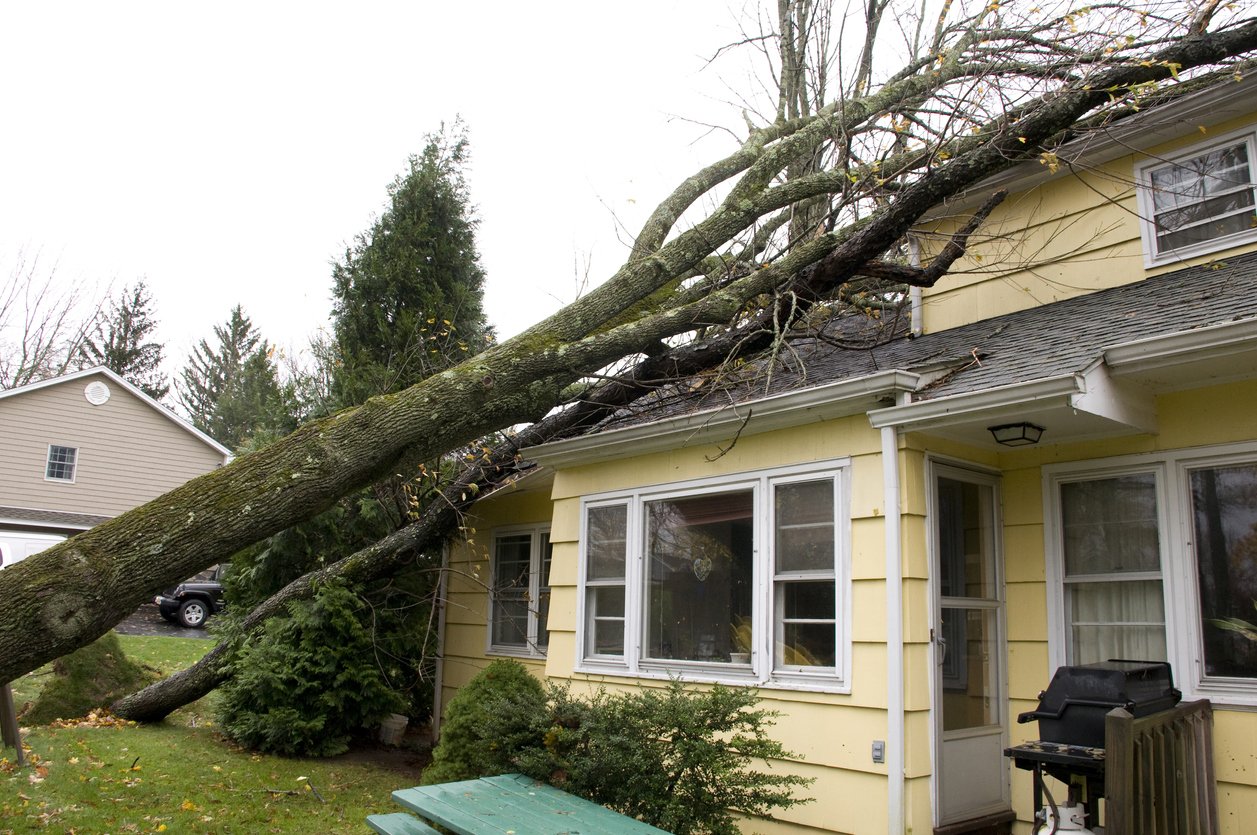
Fun fact: Hurricane Sandy alone caused billions in property damage, with fallen trees being one of the leading culprits. That 2012 storm taught a lot of East Coast homeowners hard lessons about emergency preparedness.
The factors that’ll make your wallet feel lighter include:
We get it. That’s why G&V Tree Service shows up to emergencies in hours, not days. Our guys will roll up with whatever the job needs, whether it’s just chainsaws or a full-on crane.
Most of the time, your homeowner’s insurance will help out, but only if the tree actually broke something that’s insured, like your house or the garage. If it just falls in the yard without hitting anything… well, you’re probably paying for that yourself.
Here’s a pro tip, and please take it: get a few different quotes. Any decent Springfield tree service will give you a free estimate within a day or two. There’s no good reason to just take the first price you hear.

When it comes to the bill, tree size is pretty much king. It’s simple, really—a bigger tree means a bigger job, and that means a bigger cost. For an accurate, no-surprise estimate, request a free quote from our tree removal services — we assess the full scope before any work begins.
These little guys are what you might call the bargain option, if you can call any of this a bargain. It’s less gear, a smaller crew, and the cleanup isn’t as bad. To be fair, it’s usually a straightforward chainsaw job that a good crew can handle in a few hours.
This is where things start getting a little more involved. Medium-sized trees aren’t just about brute force; you need a real plan, the right equipment, and guys who know how to use it. That red maple that’s been in your front yard for years? Getting that out of there takes some thought.
Okay, now we’re talking about serious business. A big fallen tree often means bringing in a crane, a bigger crew, and it can easily turn into an all-day project. That old oak that finally decided to retire? It’s a heavy lift, literally and financially.
But here’s the kicker that really drives up the price: location. A tree that falls cleanly in your big, open backyard is one thing. But that exact same tree, if it gets tangled up in your deck or decides to block your driveway? You can probably add another 20-50% to the quote.
The tree’s condition plays a part, too. If it was already diseased or rotting, it can be really unpredictable to cut up, and that can add another 15-30% to the final bill. Speaking of sick trees—if you’ve got others that are looking a little rough, you might want to ask us about our tree topping vs crown reduction services. It could save you from another one of these headaches down the road.
A lot of companies, us included, will offer package deals that roll the removal, stump grinding, and cleanup all into one price. It’s always worth asking about when you’re getting quotes.

Let’s talk about some real jobs we’ve done around here. Because theories and averages are one thing, but actual numbers from your neighbors are what really help you get a handle on this stuff.
At first, I didn’t get why people wanted such specific examples, but then it clicked. They’re trying to see their own yard, their own tree, in these stories. I remember this one job in Alexandria’s Old Town—a massive 70-foot oak that fell in the most complicated way possible. The final bill on that was $2,500. But that was for everything—grinding the stump down to nothing and hauling away every single leaf and twig.
Over in Arlington, we had a totally different problem. A 45-foot maple had fallen right between two houses, wedged in there like you wouldn’t believe. It took special equipment and a lot of careful, slow work. The crew definitely earned their pay that day. That one came out to $1,800.
Then you have the ones that go smoothly. After that bad storm last spring, we got a call about a pine in Springfield. It was a straight shot, easy to get to, no climbing needed. Sometimes you just get lucky. That homeowner only paid $1,200 for a job that could have easily been way more expensive.
Emergency Removal Price Comparison
| Location | Tree Type | Size | Access Difficulty | Price |
|---|---|---|---|---|
| McLean | Oak | 85 ft | Difficult | $3,200 |
| Fairfax | Elm | 60 ft | Moderate | $2,100 |
| Reston | Pine | 55 ft | Easy | $1,600 |
If you have more than one tree down, a lot of times you can get a discount. We had a homeowner in Vienna who saved $900 because we took care of three medium-sized trees all at once instead of in three separate trips. A smart way to handle a bad situation.
Grinding the stump usually adds another $100-$300 to the job in Northern Virginia. For most properties in Loudoun County, it’s about $150-$200. And trust me, it’s money well spent. Nobody likes mowing around an old stump.
And if there are utility lines anywhere near the fallen tree, like in Falls Church and neighborhoods like it, that can easily bump the cost up by 20-30%. Those extra safety steps aren’t just a suggestion when power lines are in the mix.

When a tree comes down on your property, a few things really determine what you’re going to pay. Every situation is different, and a pro has to weigh all these challenges before they can give you a real number.
Where that tree ended up is probably the biggest piece of the puzzle. If it’s in a wide-open space and easy to get to? That’s the best-case scenario for your wallet.
Trees that land on a house, a garage, or get tangled in power lines become these delicate operations that take precision and care. That kind of careful work can easily make the job cost 25-50% more than a standard removal.
And don’t even get me started on tricky access. Backyards with no gates, trees on steep hills—those are logistical headaches. Sometimes the crew has to carry all the equipment in by hand, or we have to bring in special machines, which adds to the cost.
It’s funny, but the distance from the street matters a lot more than you’d think. A lot of companies will include hauling the debris up to 150 feet or so in their price, but they’ll charge you for every foot beyond that.
Just as a rule of thumb, jobs in the city usually cost more than out in the country. There’s just less space, more things to watch out for, and the whole process is more complicated.
The amount of danger involved in a job has a direct line to your final bill. High-risk jobs need more experience, better safety gear, and crews who have the training for it.
A tree in the power lines is no joke. That’s a serious risk of electrocution. Those jobs mean we have to coordinate with the utility company and can add $200-$500 to the total. It’s not something you can negotiate on—safety is everything.
Trees that are only partially fallen or look unstable are incredibly unpredictable. The crew has to be extra careful securing everything before they even start cutting, and that means more time and higher labor costs.
If the tree damaged your house on the way down, getting it off becomes a slow, methodical process. The crew has to work carefully to make sure they don’t cause even more damage while they’re taking it apart.
And if the tree was already sick or had pests, it might need to be handled or disposed of in a special way to keep the problem from spreading to your other healthy trees.
Emergency situations—like a tree blocking a road or posing an immediate threat—are always going to be premium priced. You should expect to pay one and a half to two times the normal rate when a crew has to respond immediately.
When you need the tree gone can change the price in a big way.
Emergency service right after a storm will always cost more—usually 25-50% higher than a scheduled job. That’s what you’re paying for, having a crew drop what they’re doing to come help you.
Weekends and holidays cost more, too, because of overtime pay. You can expect to add $100-$250 for a service call outside of normal hours. But sometimes, that extra cost is worth it just to have your peace of mind back.
The time of year makes a difference. Summer and fall are the busiest seasons for tree work, so rates are often higher. In the winter, when things slow down, you can sometimes get a better price.
How fast you need it done also matters. Same-day service will cost more than if you can give a company a week or two to work you into their schedule.
If your tree isn’t a direct threat to anything, patience can save you money. Many companies offer discounts for non-urgent jobs that they can fit in when they have a slow period.
After a big storm, you might have to wait for weeks to get someone out. Priority service is usually available, but you’ll pay a premium for it.
How much of the mess you want us to handle has a big impact on the total cost. The cheapest option is just having the tree cut up and left, but then you’ve got a yard full of wood and branches to deal with.
If you want the wood split into firewood, that usually adds about $50-$100 to the bill. It’s not a bad way to go if you have a fireplace.
Hauling costs go up with the more debris there is. A big tree can create a surprising amount of mess. Multiple trips to the dump at $75-$150 a truckload can add up.
Some companies can turn your fallen tree into mulch or wood chips right there on site. Sometimes that’s included, sometimes it costs a little extra. Just depends on the company.
If you want the yard to look perfect afterward—grading the soil, repairing the lawn—that can add another $100-$300 to most jobs. It’s something to think about if you want it to look like nothing ever happened.
The tools and people needed for your specific job are a big part of the bill. The bigger and more complicated the job, the more powerful the equipment and the larger the crew.
The crew size changes with the job. A simple removal might only need two guys, but a complex one could need five or six. More people means higher labor costs, but it also means the job gets done faster and safer.
Insurance and licensing for tree professionals adds to the cost, but it’s what protects you from huge liability problems. Always, always check that a company is properly covered before you hire them.
Travel distance can affect the price if a company has to bring equipment from far away. Most will include a certain number of miles in their base price and then charge something like $2-$4 for every mile after that.
If a job needs a really specialized machine that the company has to rent, that cost gets passed on to you. Don’t be surprised if you see it as its own line on a detailed estimate.

The difference between calling for an emergency and scheduling a removal isn’t just about time—it’s about what it does to your bank account.
An emergency fallen tree removal can easily run from $2,000 to $5,000 or even more. Those high numbers are all about the urgent response, bringing in special equipment on a moment’s notice, and paying a crew for after-hours work. Nobody likes paying those rates, but sometimes you don’t have a choice.
Planned removal, on the other hand, costs a whole lot less. When you can schedule in advance, you can save 30-50% compared to emergency rates. If your tree isn’t an immediate threat, being patient really pays off.
Here at G&V, we offer winter discounts of 10-20% for non-urgent removals during our slow season. It works out for everyone—you get a better price, and we can schedule our crews more efficiently.
Emergency work demands attention right now, no matter the weather or the time of day. Planned work lets us choose the right equipment, schedule the crew efficiently, and map out the best way to do the job, all of which keeps the cost down.
Honestly, the smartest homeowners are the ones who have us out to inspect their trees regularly. It helps you spot problems before they turn into emergencies. A little bit of prevention is worth a whole lot more than a pound of cure—or a few thousand dollars in emergency removal costs.
Where you live and when the tree falls can create some unique costs that can really catch you by surprise if you’re not ready for them.
Most towns require a permit to remove a fallen tree, especially a big one. Here in Springfield, a permit usually costs between $75 and $150 per tree, and the fee is often based on how thick the trunk is.
Cities that are really strict about protecting their trees will have higher permit fees. If you’re out in a more rural area, the costs are usually lower, or you might not need a permit at all. And don’t forget to check with your HOA, because they might have their own rules and fees.
Getting a permit usually takes about 3-10 business days. If it’s an emergency, you can sometimes get an expedited permit, but of course, it costs more.
Whatever you do, don’t try to skip the permit. The fines usually start around $500 and can end up being more than the removal itself. It’s just not worth the gamble.
The cost of tree removal goes up and down during the year based on how busy everyone is. The winter months, from December to February, are often the cheapest time, with prices running 15-20% lower than in the peak season.
Right after a big storm, you can expect prices to jump 25-30% because everyone is slammed with calls. In the summer and spring, you’ll see standard pricing, but you might have to wait longer to get on a company’s schedule.
The condition of the ground actually matters for getting equipment in. If the ground is frozen or really dry, it’s easier to move heavy machinery around, which can sometimes lower the cost by 10-15%. But if it’s a muddy spring, that can make things more difficult and drive the price up.
Leaving a fallen tree to sit just invites more problems. It will start to decay and attract pests much faster in the warm months. The different seasons just bring different challenges—summer heat makes things rot faster, while winter weather can just make the whole job harder.
If your other trees are looking stressed or unhealthy, it might be a good time to think about our root rot treatments. It’s better to deal with these things before they become another expensive emergency.
Some tree services will offer off-season discounts of 10-25% when things are slow, usually in the late fall and winter.
Having to pay for a fallen tree removal doesn’t have to completely wreck your budget. If you think strategically, you can manage the cost and still get a good, safe job done.
There are online cost calculators that can give you a rough idea to start with. They’ll give you an estimate based on the tree’s size and where it is, but they can’t really account for all the little things that change the price.
Here at G&V, we always tell people to get at least three quotes from different companies. Just make sure you’re comparing apples to apples—that each estimate is for the exact same services.
And always ask what’s included in the price. A good company will tell you upfront if cleanup, stump grinding, and hauling are part of the deal or if they cost extra.
Timing can save you a lot of money. Winter and early spring are usually the slow seasons for tree companies, so you can often get better rates then. Prices tend to go up in the summer and fall when everyone is busy.
Bundling services together can also lead to some real savings. If you get the cleanup and stump grinding done at the same time as the removal, you might save 10-20% compared to booking them all separately.
Most of those online calculators don’t factor in access problems. If a tree is near power lines, right up against a building, or in a tight spot, it’s going to cost more because the job is more complicated.
Before you pay for anything out of pocket, check your insurance policy. Sometimes homeowner’s insurance will cover fallen tree removal, especially after a storm, and that could save you hundreds or even thousands of dollars.
And think about keeping the wood chips or split logs. You can use them for mulch or firewood, and it can reduce the hauling fees. It’s a nice way to turn a bad situation into something useful.
Look, I know this sounds like a sales pitch, but it comes from a place of real pride. We stand out here in Springfield because we’re not just technicians; we really do care about the people we’re helping. We’re fully licensed, bonded, and insured, which means you can have complete peace of mind when we’re on your property.
Our emergency team is on call 24/7. When a storm hits and trees come down, we get there fast to see what’s going on and get things cleaned up safely, no matter what time it is or what the weather is doing.
Our pricing is straightforward. Every quote we give you will clearly list what we’re going to do and what it’s going to cost. No fine print, no last-minute charges, no games.
Our crews have seen it all, from simple removals to incredibly complex jobs with power lines and tight spaces. They’re well-trained and follow safety rules to the letter to protect themselves and your property.
Knowing this area gives us a big advantage. We know the local tree species, the soil, and the town regulations. We know what permits you need and the right way to dispose of the debris.
At the end of the day, it’s all about customer satisfaction. We don’t just take the tree away—we clean up everything afterward, leaving your property looking better than when we got there. That’s why we have so many loyal customers all over Northern Virginia.
For homeowners in Springfield dealing with a fallen tree, whether it’s an emergency or not, we offer professional, reliable results without all the stress.
Once the tree is gone, there are still a few things left to do to get your property back to normal and maybe prevent this from happening again. These last steps are what really finish the job and help your yard recover.
That stump left behind is just an ugly reminder of the whole ordeal. Professional stump grinding usually costs between $100 and $400, depending on how big the stump is and how easy it is to get a machine to it.
A grinder will chew the stump down to below ground level, so you can’t see it anymore. The roots are left underground to just rot away naturally. It’s much faster and less destructive than digging the whole thing out.
If you do want the entire root system gone, that’s called stump removal, and it costs more like $300-$700. It gives you a totally clean slate for new landscaping, but it involves a lot of digging and then repairing the soil.
You can try to remove a stump yourself with chemicals, but it takes months and doesn’t always work that well. Renting a grinder costs about $75-$150 a day, but it’s a lot of hard, dangerous work that most people aren’t really prepared for.
What happens to the wood from your tree is up to you and your budget. There are a few options:
Log splitting services will cost you another $75-$200, depending on how much wood there is. It turns your fallen tree into fuel for your fireplace.
You might need to do a little work on the soil where the tree was. It’s a good idea to test the pH and add what’s needed to get it ready for new plants. You’ll also want to fill in any holes with good topsoil to level things out.
Honestly, try to see it as a chance to do something new with that part of your yard. Maybe it’s an opportunity to plant something different or add a feature you’ve been thinking about.
Having your trees inspected regularly can really help you avoid future emergencies. If you have a professional look at them every 2-3 years, you can catch problems when they’re still small and affordable to fix.
Properly pruning your other trees helps them grow strong and healthy. It’s important to get rid of dead or damaged branches before they have a chance to fall and cause trouble. Professional maintenance usually costs between $200 and $500, depending on the tree.
Aerating and fertilizing the soil can help your other trees stay healthy and resist disease and storm damage. It costs about $100-$300 a year, but it can significantly reduce the chances of another tree coming down and costing you a fortune.
When a tree falls, the last thing you need is more stress. It’s loud, it’s a mess, and it’s unsettling to see a piece of your landscape just gone. Don’t let it sit there and become a bigger problem or a safety risk. Just give someone a call and get a free, no-pressure estimate.
We’re here 24/7 for emergencies in Springfield and all over Northern Virginia. Our team can get there quickly with all the right gear to handle the situation safely, no matter how big the tree or how tricky the spot.
Take these steps now:
A lot of insurance policies will cover the cost of removal. We’ve dealt with claims paperwork a thousand times and can help you get what you need for your insurance company to make things as smooth as possible.
Save 10% on your first service when you mention code “FALLEN10” during your call. This limited-time offer applies to all fallen tree removal services.
You can see some of our work over at https://gvtreeservice.com/. Our arborists know what they’re doing. They have the training and the tools to handle any tree safely and get the job done right.
I see people try to handle this stuff themselves, and it’s just not worth the risk of getting seriously hurt. We’ll take care of it for you. We’ll do it safely, efficiently, and for a fair price. You’ve got enough to worry about already.
The cost of getting a fallen tree removed can be all over the place, really. It depends on the tree, where it landed, how hard it is to get to, and how quickly you need it gone. Insurance and who’s responsible for the damage are also big parts of the final equation.
The cost is basically figured out by how complicated the job is. The main thing is the tree’s size—bigger trees just take more equipment, more people, and more time to deal with safely.
Where it fell also makes a huge difference. If it’s in a hard-to-reach spot or leaning on your house, we have to use special equipment and be extra careful, which adds to the labor cost and makes the whole project more complex.
Most tree services have a base fee that covers the basic removal. Then, you’ll have extra costs for things like grinding the stump, hauling away all the debris, and getting rid of it. Here in Springfield, a simple job on a small tree might start around $150, but it can go over $1,500 for a huge tree in a bad spot.
Most of the time, yes, your insurance will cover it if the tree damaged something that’s insured, like your house or garage. Your policy will usually cover the removal up to a certain limit, often somewhere between $500 and $1,000.
If the tree came down in a storm or because of high winds—what they call an “act of God”—you’re usually covered. But, if the tree fell because it was neglected, sick, or poorly maintained, your insurance might not pay for it.
And insurance almost never pays for removal if the tree just falls in your yard without hitting anything. If a healthy tree just comes down harmlessly, you’ll probably be paying for that out of your own pocket. The best thing to do is always read your policy and call your insurance agent to be sure.
Emergency service is almost always going to cost a lot more than a scheduled job. You’re often looking at an extra 25-50% on top of the standard rate for us to respond immediately, especially after hours or on a weekend.
The level of risk is a huge factor in the price. A tree leaning on your house, tangled in power lines, or blocking a road requires special gear, extra safety precautions, and a highly skilled crew.
The weather at the time of the emergency can make the job a lot harder. Rain, snow, ice, or high winds make things more dangerous and difficult, which often means higher labor costs and more time to get the job done.
Access is another big one in an emergency. We might be working in a tight space, around a damaged building, or on unstable ground. That might mean we have to carry equipment in by hand or use smaller machines, which all adds to the overall cost.
Who’s responsible usually comes down to who owns the tree and why it fell. If your tree falls on your neighbor’s property because you neglected it or it was obviously sick, you could be on the hook for the damage and the removal costs.
But if it was a healthy tree that came down in a storm or for some other natural reason nobody could control, then the owner of the property where the tree landed is usually the one who handles the removal and damage through their own insurance.
Trees that grow right on a property line can be tricky. In those cases, both you and your neighbor might have to share the costs, depending on your local laws.
The rules in Springfield and around Virginia can affect who’s liable, so it’s always a good idea to check your local codes and talk to your insurance company when you’re not sure.
Turning the tree into wood chips is a common way to go. It usually costs about $75-$125 an hour for a professional crew with a chipper. You can keep the wood chips for your landscaping, or we can haul them away for an extra fee.
Hauling away whole logs usually costs between $100 and $300, depending on how much wood there is. Some disposal sites also charge their own fees based on the type and amount of wood.
Turning the tree into firewood can save you some money on disposal. Some companies will give you a discount if you keep the wood, while others might charge a little extra to cut the logs into firewood-sized pieces.
If it’s a valuable hardwood tree, you could look into having it milled into lumber. That’s a specialty service, but sometimes the value of the wood can help offset the cost of the removal.
The height and thickness of the tree are directly tied to the cost. Small trees, under 30 feet, usually cost between $150 and $400 to remove. But a large tree over 60 feet can easily cost $900-$1,500 or even more if it’s a complex job.
Hardwoods like oak and maple are much denser and heavier than softwoods like pine. They take more work, stronger equipment, and more time to cut up and haul away safely.
Some types of trees, like elms or silver maples, have complicated branch structures or are known to split in unpredictable ways. They create extra safety challenges, so the removal might cost more because of the increased risk and the careful handling they require.
The condition of the tree matters, too. A tree that’s still mostly in one piece is usually easier and cheaper to remove than one that has shattered or broken into unstable pieces. Those situations just require a lot more time and careful work.

Somewhere in a Kingstowne back yard there is an oak that forks...

The trees that come down in a Burke storm are rarely chosen...
We strive to keep up with and use modern tree care techniques. Our work is also conducted by tree specialists with decades of experience.
Contact Us